
Varicose Veins
Laser for Vein Removal
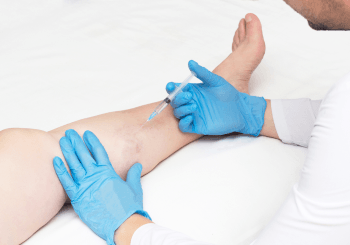
Spider veins are small, visible surface vessels sometimes referred to as broken capillaries. Facial and body vessels may be treated with medical grade laser after assessment of suitability. The light energy is absorbed by the vessel, generating heat that damages the vessel wall. The body then gradually clears the treated vessel over time. The number of sessions depends on the size, colour and location of the vessels, and outcomes vary between individuals.
Not all visible leg veins are spider veins. Deeper or symptomatic varicose veins may require vascular assessment, and laser for surface vessels may not be appropriate until underlying issues are addressed. A consultation with a registered health professional is required to discuss options, expected benefits, risks and alternatives.
Pre care
- Avoid sun exposure, fake tan and solarium use for 2 weeks prior to your appointment.
- Cease active skincare such as retinol and granular scrubs for 3 days prior, unless your practitioner advises otherwise.
- Arrive with the treatment area clean and free of lotions, makeup or deodorant. Advise us of any new medicines, illnesses or recent sunburn.
Post care
- Avoid sun exposure for 2 weeks after treatment and use broad-spectrum SPF 50+ daily with protective clothing.
- Apply a soothing post-laser product as directed, typically twice daily for 5 days, to support skin comfort.
- Pause active skincare for 5 days after treatment. A gentle routine is encouraged during this period, then you may resume actives as advised.
- Avoid hot showers, saunas and vigorous exercise for 24 to 48 hours, and do not pick or scratch any scabs or crusting.
Risks and Recovery
All procedures carry risk and this treatment is not suitable for everyone. Your practitioner will take a medical history and provide personalised advice before any treatment is offered.
- Common temporary effects: redness, warmth, swelling, mild discomfort, transient darkening of vessels and possible small crusts in treated areas.
- Less common risks: bruising, blistering, burns, infection, changes in skin colour including hyperpigmentation or hypopigmentation, matting of fine vessels, scarring in rare cases and incomplete clearance or recurrence of vessels.
- Course and maintenance: multiple sessions are often required. Results differ between individuals and cannot be guaranteed. Additional treatments or alternative options may be recommended.
- Precautions: recent tanning, photosensitising medicines, pregnancy, active skin infection or certain medical conditions may mean this treatment is not appropriate at this time. Please disclose all medical conditions and medicines.
- Recovery: most people resume usual activities shortly after treatment. Follow all aftercare instructions and contact the clinic if you have concerns.
The information above is general and does not replace personalised medical advice. A face to face or telehealth consultation with an appropriately qualified and registered health professional is required before any treatment can be provided.