
Cellulite
Dr Reza can assess your concerns and discuss options that may help reduce the appearance of cellulite, including treatments such as lipolysis when clinically appropriate.
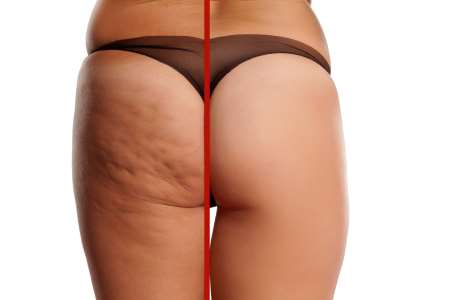
Cellulite is a common cosmetic concern that affects many people of different body types. It relates to the structure of the skin and underlying tissue rather than weight alone. The appearance is often seen on the buttocks, thighs and hips, where small dimples or an uneven surface may be visible. This happens when fat lobules interact with fibrous connective bands beneath the skin, which can produce a textured look.
Factors such as genetics, hormones, age related skin changes and lifestyle may influence how visible cellulite appears. While regular movement and a balanced routine can support general skin health, no single approach suits everyone. Treatments aim to improve the appearance rather than remove cellulite entirely, and outcomes vary between individuals.
Treatment Overview
Lipolysis is one of several options that may be considered to help reduce the look of localised fullness contributing to cellulite. Suitability, the number of sessions and expected recovery will be discussed during a consultation after a review of your medical history and goals. Alternative or supportive options may include skin care, in clinic skin treatments and lifestyle measures. Results differ from person to person and cannot be guaranteed.
Risks and Recovery
All cosmetic procedures carry risks. Possible effects with cellulite treatments, including lipolysis, can include redness, swelling, tenderness, bruising, temporary lumps or firmness, itching, numbness or tingling, discomfort, uneven texture, pigment changes, infection, allergic reaction, delayed healing and, rarely, scarring or nerve related effects. More than one session may be needed and maintenance can be required. Recovery time depends on the treatment performed, the area treated and individual factors. This information is general. An appropriately qualified health professional will assess suitability, discuss potential benefits and alternatives, outline risks, provide personalised aftercare and confirm expected costs and timeframes before proceeding.