
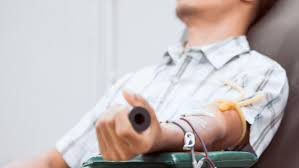
A therapeutic venesection is a procedure in which a volume of blood (usually around 450ml) is removed as part of treatment for certain blood conditions. This practice has been used for centuries and is sometimes referred to as bloodletting. We offer bulk billed venesection procedures for our patients at Revita Medical Clinic.
Benefits: Venesection can help lower blood iron levels, reduce the concentration of red blood cells, or decrease blood thickness to a safer level when clinically indicated.
The human body contains approximately five to six litres of blood, so removing one bag (about 450ml) generally does not cause long-term harm when performed appropriately.
Therapeutic venesection may be recommended for the following conditions:
Haemochromatosis: This is a genetic condition in which the body absorbs and stores excessive amounts of iron. The excess iron is deposited in organs such as the liver, heart, and joints, which can lead to tissue damage. Regular removal of blood helps lower iron stores in the body by encouraging the use of stored iron to produce new red blood cells.
Polycythaemia vera, erythrocytosis and high haemoglobin: These conditions cause an increased number of red blood cells, making the blood thicker. If left untreated, this can increase the risk of clotting and other serious complications. Venesection helps by reducing red cell mass and lowering blood viscosity.
How does a venesection work?
In haemochromatosis, removing blood lowers the amount of circulating iron. The body then draws on stored iron from organs to produce new red blood cells, gradually reducing excess iron levels. In polycythaemia vera or erythrocytosis, venesection decreases the overall number of red blood cells, reducing blood thickness and helping to prevent related complications.
Therapeutic venesection is generally considered a safe and effective treatment when performed for appropriate medical reasons such as hereditary haemochromatosis or polycythaemia. It is usually well tolerated and can help improve these conditions. For further information, please speak with one of our doctors at Revita Medical Clinic.