
Rejuran Skin Treatment
skin treatment using polynucleotide. Focused on supporting hydration, texture, and skin quality
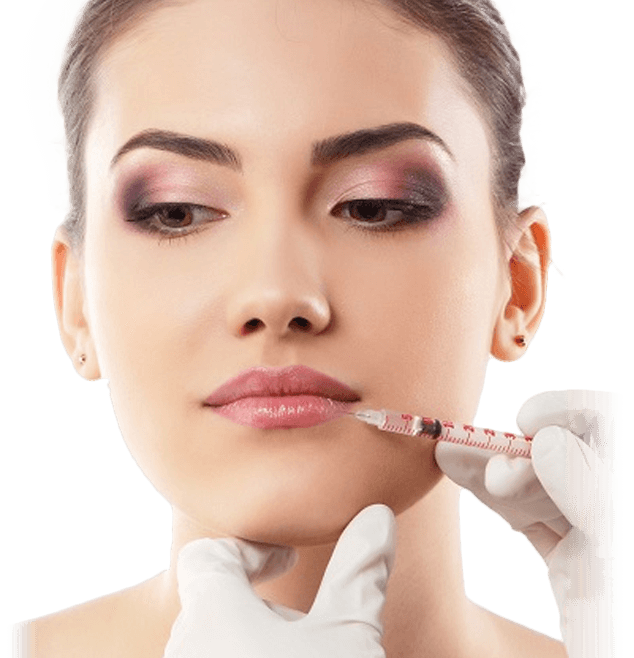
Rejuran Skin Treatment is a clinician led medical procedure that places carefully prepared polynucleotide material into the superficial skin with the aim of supporting overall skin quality. Polynucleotides are long chains of nucleotides that can bind water, interact with the local tissue environment, and serve as structural and biochemical support for skin.
In practice, this Rejuran treatment is considered for texture irregularity, visible fine lines, the look of dryness, or general changes in skin quality.
How polynucleotides interact with skin
Polynucleotides are composed of repeating nucleotide units. In aqueous environments they can attract and retain water, contributing to short term hydration at the placement sites. At the tissue level they can influence the extracellular environment through several mechanisms that are being explored in clinical research, including:
- Hydration support
Polynucleotide chains have a polyanionic profile that can bind water. When placed into superficial dermal layers they may contribute to a local hydrated matrix that supports skin smoothness and pliability in the short term. - Structural and biochemical environment
By providing a temporary scaffold like milieu, polynucleotides may support cellular activity in the surrounding tissue. The degree and clinical relevance of this effect can vary and depends on the formulation used, placement technique, and individual biology. - Skin barrier considerations
A hydrated extracellular environment can assist the appearance of surface texture when combined with appropriate skincare and sun protection. The treatment does not replace daily skincare or photoprotection, which remain important for maintaining skin health. - Inflammation and remodeling
Some clinical studies have explored whether polynucleotide materials modulate local inflammation or support remodeling processes over time. Any such effects are gradual and individual. A clinician will discuss realistic timelines during consultation.
Common Rejuran Treatment Goals
A clinician will assess whether these goals are realistic for your skin and health history. The presence of medical skin conditions, recent procedures, active infections, or certain medicines may alter suitability.
- Surface texture irregularity that persists despite consistent skincare
- The look of dryness or dullness in specific facial zones or on the neck
- Fine lines that are visible at rest and relate partly to skin quality
- The wish to support overall skin quality without changing facial shape
- Improving the look of skin after environmental stress such as sun exposure, acknowledging that sun protection remains essential for prevention
Skin Areas commonly considered
Not every area is suitable for every person. A private assessment is required to determine placement points, depth and volume per point, and spacing between Rejuran treatment sessions.
- Cheeks and mid face skin for texture and hydration support
- Perioral and chin skin for fine textural change
- Periorbital skin in selected adults, applying cautious technique due to the delicate anatomy
- Neck and décolletage for global skin quality support
- Dorsal hands where skin appears dry or finely wrinkled
Who may be suitable
A clinician may consider this treatment for adults who:
- Are generally well and have no active skin infection at proposed treatment sites
- Are not pregnant or breastfeeding
- Are not undergoing active treatment for conditions that significantly increase infection or bleeding risk, unless a treating doctor confirms it is appropriate to proceed
- Have realistic expectations about variability, time course, and the need for aftercare
- Are able to follow post procedure instructions and attend review if required
Rejuran consultation and assessment process
A typical appointment for Rejuran treatment includes:
- Medical history and medicines review
Your clinician asks about medical conditions, allergies, current and recent medicines including antiplatelet or anticoagulant therapy, supplements, and any previous adverse reactions to skin procedures. - Skin examination
The face and any proposed treatment areas are examined in good light. The clinician looks at hydration, texture, fine lines, pigmentation patterns, and signs of active disease. Photographs may be taken for medical records if you agree. - Goal setting
You discuss priorities. The clinician explains which concerns are primarily related to the skin surface versus lines of expression, volume change, or laxity that may require other options. - Plan outline
If polynucleotide treatment is considered appropriate, the clinician outlines the proposed technique, session number, spacing, and aftercare. Alternatives and the option of not proceeding are also discussed. - Consent
Informed consent is obtained before any procedure. The consent includes potential benefits, uncertainties, risks, aftercare, and what to do if problems occur.
Rejuran Procedure
The technique is individualised by area, skin characteristics, and clinician preference. A general description is:
- Preparation of the skin
Makeup is removed and the area is cleansed. Antiseptic is applied. Some clinicians use topical local anaesthetic in suitable candidates. Time is allowed for adequate effect if used. - Mapping
Placement points are marked to guide even distribution while avoiding key anatomical structures. The exact pattern depends on the area and the desired depth. - Delivery
Small amounts are placed into the superficial dermal plane at multiple points. The volume per point and spacing are adjusted to minimise surface irregularities. - Immediate care
Gentle pressure may be applied to reduce pinpoint bleeding or oozing. Cooling can be used if appropriate. A thin layer of bland occlusive product may be applied in some cases to reduce friction. - Post procedure guidance
You receive instructions on hygiene, sun protection, avoidance of certain products for a defined period, and signs that should prompt a call to the clinic.
Number of sessions and spacing
A common approach is a series of sessions separated by several weeks, followed by a review. The total number of Rejuran sessions depends on baseline skin quality, area treated, and the response seen after each session. Some adults consider periodic maintenance after the initial series if they and the clinician agree that it is appropriate. Maintenance, if recommended, is tailored to the individual and is not universal.
Expected timeline
- First 24 to 72 hours
It is common to experience pinpoint marks, mild to moderate swelling, redness, and local tenderness at placement points. Temporary lumps can be felt where material was placed. Bruising can appear, especially in vascular areas or if the person bruises easily. - First 1 to 2 weeks
Surface irregularities usually settle as hydration equilibrates and the material integrates within superficial tissues. Makeup can usually be worn after the initial period if the skin is intact and non tender. - 2 to 8 weeks
Any gradual changes supported by the treatment plan are assessed at follow up. The clinician may adjust subsequent sessions based on observed response and patient feedback. - Longer term
Decisions about further sessions or maintenance are made case by case. Sun protection, skincare routines that support barrier function, and general lifestyle measures remain important.
Aftercare
Aftercare is tailored to the individual and the skin area treated. You will receive clear instructions on early warning signs and how to contact the clinic. Attend review if requested, and seek urgent care for symptoms that suggest a serious problem.
- Keep the area clean and avoid touching with unwashed hands for the first 24 hours
- Avoid makeup over needle entry points until the skin surface is intact and non tender
- Use gentle cleansers and bland moisturisers for several days
- Avoid vigorous massage of the treatment area unless your clinician has provided specific instruction
- Avoid saunas, steam rooms, and very hot showers for 24 to 48 hours
- Limit strenuous exercise for the first day if advised
- Protect the area from sun exposure and use broad spectrum sunscreen
- Do not schedule other procedures in the same area until cleared by the clinician
Evidence and expectations
Clinical studies and real world observations suggest that polynucleotide Rejuran skin treatment can support the look and feel of skin in selected adults when part of a comprehensive plan. Responses are variable. Improvements, where they occur, are gradual rather than immediate, and maintenance can be considered for those who respond and wish to continue. No procedure can guarantee a specific result. Adherence to aftercare, sun protection, and a consistent skincare routine play a central role in maintaining skin quality.
Risks and Recovery
Overview of risks
All medical procedures that place material into or under the skin carry risks. With polynucleotide treatment these include common short term effects such as redness, swelling, tenderness, pinpoint bleeding, and bruising. There may be temporary lumps at placement points that usually settle as the material integrates. Itching or tightness can occur in the first days.
Less common complications
Infection, prolonged inflammation, persistent nodules, allergic type responses, pigment alteration, scarring, unintended aesthetic outcome, and very rarely vascular compromise. Immediate reporting of severe pain, colour change that looks pale or dusky, or symptoms that concern you is essential. Early evaluation improves the chance of a good outcome.
Recovery timeline
- First 24 to 72 hours, expect visible signs at entry points and swelling that gradually settles
- First 1 to 2 weeks, surface texture and mild lumps typically smooth as the area integrates
- Two to eight weeks, assessment of gradual changes and planning of subsequent sessions if appropriate
Aftercare summary
Keep the area clean, avoid unnecessary touching, use gentle skincare, avoid vigorous heat exposure for the first 24 to 48 hours, and protect from sun. Delay other procedures in the same area until cleared by your clinician. Follow personalised instructions, attend review if requested, and contact the clinic promptly for any concerning symptoms.
Who should avoid or delay
Active infection at the site, systemic illness with fever, pregnancy or breastfeeding, known allergy to relevant components, recent procedures in the same area that have not fully settled, and medical conditions or medicines that significantly increase risk without appropriate supervision. A thorough medical assessment determines suitability.
Outcome expectations
Responses vary between individuals. Improvements, when they occur, develop gradually. Maintenance can be discussed for those who respond and wish to continue. No procedure can guarantee a specific result. Consistent skincare, sun protection, and healthy lifestyle choices remain important for ongoing skin health.
Frequently asked questions
How quickly will I notice changes?
Early hydration related changes can be noticed as the initial swelling settles. Any longer term changes occur gradually. Your clinician will outline an expected timeline during consultation.
How many Rejuran sessions will I need?
Many adults complete a short series separated by weeks. The exact number is tailored to your response and goals.
Can I return to work after the procedure?
Some people return to non strenuous work the same day, although pinpoint marks and swelling can be visible for one to several days. For public facing roles, consider scheduling with recovery time in mind.
Is there downtime?
There is a short period of visible signs such as swelling, redness, and possible bruising. Downtime varies by person and area treated.
How is pain managed?
Topical local anaesthetic and cooling measures are commonly used where appropriate. Most adults describe the procedure as tolerable with temporary stinging or pressure at placement points.