
PRP Treatment
Platelet-rich plasma therapy can be used as a stand alone therapy or in conjunction with other treatments.
Blood is mainly liquid but it also contains small components such as platelets. Platelets are involved in tissue repair and wound healing due to proteins called growth factors that are contained within the platelets.
PRP treatment begins with a small sample of your blood being drawn by one of our medical practitioners into a sterile tube. The platelets are separated from other blood cells and their concentration increased using centrifugation. This concentrated platelet plasma is then prepared for clinical use and carefully administered to the area of concern by a qualified health professional. In the area treated, platelets release growth factors that are associated with the body’s natural healing response. Individual results vary and suitability is assessed during consultation.

PRP may be considered for:
- Hair concerns, including some patterns of hair loss in suitable patients
- Soft tissue muscular conditions, such as selected hamstring issues
- Tendon conditions, such as tennis elbo,w where clinically appropriate
- Management of symptoms in osteoarthritis when recommended by your treating practitioner
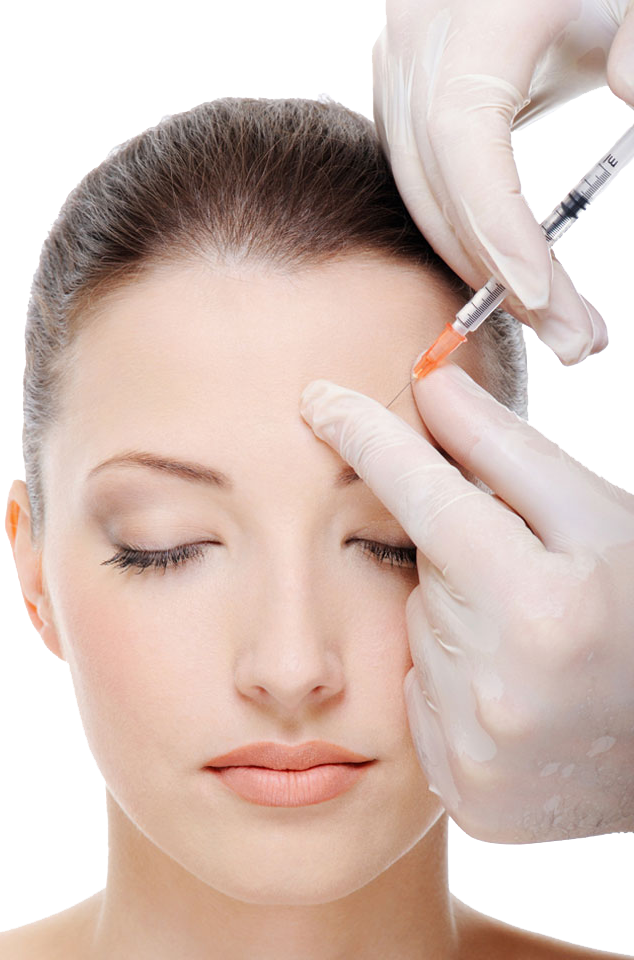
PRP can also be used in dermatology to address certain skin concerns. This treatment focuses on using a patient’s own blood components and is offered after a medical assessment to determine appropriateness. Outcomes differ between individuals.
Platelet-rich plasma therapy can be used as a stand alone therapy or in conjunction with other treatments following clinical advice.
In selected cosmetic dermatology cases it may be used to address:
- Fine lines and wrinkles
- Uneven skin texture
- Dull or dry skin
- Crepey skin
- Early signs associated with facial volume changes
- Acne scarring or scars following trauma
- If you smoke, reducing or stopping before your appointment may support healing. If you would like assistance, please discuss options with your practitioner.
- Drink water prior to your appointment, as good hydration helps with blood collection and may reduce the likelihood of feeling faint.
- Local anaesthetic may be used as clinically indicated. Only take pain relief medicines if recommended by your treating practitioner.
- On the day of treatment, avoid alcohol. Follow any specific dietary or caffeine guidance provided by your practitioner.
- Avoid touching the treated area for at least two hours to allow the skin to settle and to reduce the risk of infection.
- Limit direct sun exposure. Use protective clothing and follow your practitioner’s sun care advice.
- In the first 24 to 48 hours, avoid high impact exercise such as running or skipping. Gentle options like walking or light cycling are preferable unless advised otherwise.
- Avoid saunas and hot baths for the first couple of days.
- Sleeping with your head slightly elevated may help to reduce temporary swelling.
If you have discomfort, speak with your practitioner. Paracetamol may be appropriate if advised. Avoid anti-inflammatory medication unless specifically approved by your treating practitioner.
Risks and Recovery
All procedures carry risk. PRP is a higher-risk non-surgical cosmetic procedure and is not suitable for everyone. A consultation with a suitably qualified practitioner is required to assess your medical history, treatment goals and suitability.
- Common temporary effects: redness, swelling, tenderness, bruising and a feeling of fullness or pressure at the treatment site.
- Less common risks: infection, prolonged swelling or bruising, flare of underlying skin conditions, headache, dizziness or fainting during blood collection, and rarely scarring or nerve irritation.
- Recovery: most people return to usual activities within 24 to 48 hours. Recovery experience varies. You will receive personalised aftercare instructions.
- Treatment plan: more than one session may be required. Maintenance may be recommended depending on your individual response.
- Contraindications and precautions: certain blood disorders, active skin infections, pregnancy or breastfeeding, anticoagulant use and some medical conditions may mean PRP is not appropriate. Your practitioner will discuss alternatives if needed.
- Outcomes: results cannot be guaranteed and will differ between individuals. Photographs or descriptions relate to the person treated and do not predict results for others.
The information on this page is general and is not a substitute for personalised medical advice. A face to face or telehealth consultation with an appropriately trained and registered health professional is required before any treatment can be provided.