
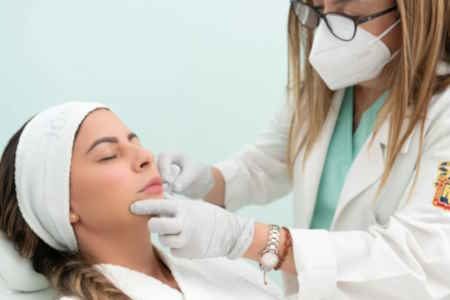
Skin Tags, Age Spots, and Sun Spot
This page provides general information to support your understanding and does not replace a consultation with a qualified health professional. Results, recovery, and suitability vary from person to person. A consultation is required before any treatment is offered.
Skin tags, age spots, and sunspots are common and can affect many people. They may become more noticeable with age or after prolonged sun exposure. If a skin tag is catching on clothing or jewellery, or if a sunspot is persistent despite skincare, these concerns can affect comfort and confidence.
At our clinic, we assess your skin and discuss appropriate options. We use evidence-informed treatments that are selected after clinical review, with the aim of improving the appearance of unwanted pigmentation or minor skin irregularities while minimising disruption to surrounding skin.
What Are Skin Tags?
Skin tags are small, soft growths that often appear where skin rubs on skin, such as the neck, underarms, or groin. They are usually harmless and flesh-toned, although some may look slightly darker.
While skin tags do not usually pose a medical risk, they can become irritated if caught on jewellery or clothing. Factors such as friction, hormonal changes, and genetics can contribute to their development. When appropriate, skin tags can be removed with professional treatment after assessment.
What Are Age Spots and Sun Spots?
Age spots and sunspots are flat, darker patches caused by increased pigmentation. They commonly result from cumulative sun exposure over time. Age spots are often associated with getting older, while sunspots can appear earlier due to ultraviolet exposure.
These spots are frequently seen on areas that receive more sun, including the face, hands, shoulders, and chest. Although typically benign, some people seek treatment to reduce their appearance and support a more even skin tone.
Why Address These Skin Concerns?
Treating skin tags may reduce physical irritation, for example when a tag catches on clothing. Managing age spots and sunspots can help improve the appearance of uneven pigmentation. The decision to treat is individual and should follow a discussion of benefits, risks, costs, and alternatives. Observation is appropriate for many benign lesions.
Treatment Options for Skin Tags
Non-Surgical Skin Tag Removal
When suitable, skin tags can be removed in a clinical setting. Methods are chosen based on the size, location, and number of lesions, as well as your medical history.
- Cryotherapy: Liquid nitrogen is applied to freeze the skin tag so it separates over time.
- Electrocautery: A specialised device is used to cauterise and remove the tag with controlled precision.
- Surgical Excision: For larger or persistent tags, a small snip under local anaesthesia may be recommended.
These procedures are performed in a clean environment by trained clinicians. A scar is possible with any skin procedure. Your practitioner will explain the likely benefits, potential risks, and aftercare.
Benefits of Professional Treatment
At-home removal methods can lead to uneven results, irritation, bleeding, or infection. Professional removal allows targeted care of the lesion while aiming to protect surrounding skin. If a lesion appears atypical, we may advise against cosmetic removal and recommend further assessment.
Treatment Options for Age Spots and Sun Spots
1. Laser and Light-Based Treatments
After assessment, laser or light-based therapy may be considered for selected pigmentation concerns. These technologies target excess pigment so that the body can gradually clear treated cells. Common options include:
- IPL, Intense Pulsed Light: Light pulses target pigmentation and may also improve overall skin tone.
- Fractional Lasers: Fractionated energy is used to resurface selected areas and stimulate collagen, which can soften the appearance of spots.
Downtime, number of sessions, and results vary by individual, skin type, and the device used. Your clinician will discuss suitability, expected course, and alternatives.
2. Topical Treatments and Peels
Chemical peels and prescription-strength topical agents can be appropriate for milder pigmentation. Peels remove surface layers to reveal fresher skin beneath. Topical agents, such as retinoids or other pigment-modulating ingredients, may help reduce the appearance of dark spots over time.
These modalities can be used alone or in combination with device-based treatments when clinically appropriate. Sun protection remains essential before, during, and after treatment.
Why Choose Revita Skin Clinic?
Choosing a clinic involves considering practitioner training, safety, and communication. At our clinic, assessments and treatments are delivered by trained clinicians who explain options in plain language, provide written aftercare, and encourage questions so you can make an informed decision.
- Clinical experience: We assess pigmentation concerns and skin tags using evidence-informed protocols.
- Personalised plans: Treatment is tailored to your skin type, goals, and medical history.
- Focus on safety and comfort: We prioritise appropriate indications, infection control, and clear follow up.
Minimal Downtime, Maximum Results
Many minor procedures require short recovery periods. However, downtime and outcomes are individual and depend on the method used, the location of treatment, and your healing response. Your practitioner will outline what to expect and the signs that should prompt review.
Recovery After Skin Tag Removal
Following cryotherapy or electrocautery, temporary redness, tenderness, blistering, or crusting can occur and usually settles as the area heals. For surgical excision, a small wound is closed or dressed. A scar is expected with any excision, and its final appearance varies. Written aftercare will be provided.
Recovery After Treatments for Age Spots and Sun Spots
After laser or light-based therapy, you may notice temporary redness, warmth, mild swelling, or darkening of spots before they lighten. Chemical peels can cause temporary flaking or peeling. Your clinician will advise on skin care, sun protection, and when to resume active products.
Tips for Aftercare
- Protect your skin: Apply a broad-spectrum sunscreen every day and reapply as directed to reduce further sun damage.
- Keep it moisturised: Use a gentle, non-fragranced moisturiser on treated areas unless advised otherwise.
- Avoid harsh products: Pause abrasive scrubs and strong actives until your clinician says they are suitable to restart.
Concerns such as skin tags, age spots, and sunspots can often be managed with conservative measures or targeted treatment after assessment. Your plan will be based on your goals, clinical findings, and safety considerations.
Risks and Recovery
- General risks: All procedures carry potential risks, including pain or discomfort, redness, swelling, blistering, infection, bleeding, scarring, pigment change, and allergic reaction. Additional appointments or further treatment may be required.
- Suitability: Not all lesions are suitable for cosmetic treatment. If a lesion appears atypical or is changing, a biopsy or excision for diagnosis may be recommended before any cosmetic approach.
- Results: Outcomes, number of sessions, and longevity vary between individuals. No outcome can be guaranteed.
- Aftercare: You will receive written aftercare instructions that outline wound care, sun protection, and signs that should prompt review.
- Costs and alternatives: Fees, likely number of visits, and alternatives, including observation, will be discussed at your consultation so that you can make an informed decision.
- Information: This information is general in nature and should not be used to diagnose or treat a condition without personal medical advice.
“