
Scar
When a wound heals abnormally it is due to excess scar tissue being produced, which is more than what is required for healing.
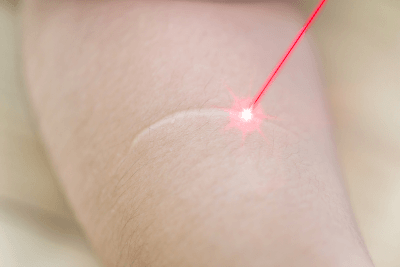
Scarring can occur after episodes of inflammation, infection or trauma to the skin. Common causes include acne, surgery, accidental injury, burns, needle based procedures, skin infections such as chickenpox, piercing and tattoos. When a wound heals abnormally it is due to excessive scar tissue being produced, which is more than what is required for healing. Keloid scars and hypertrophic scars are two examples. Hypertrophic scars remain within the site of the initial injury and often soften over time. Keloid scarring extends beyond the original wound and can become large, firm, painful or itchy. Atrophic scars are another type that can be seen on the face and body and are often associated with previous acne. Scarring results from the skin’s repair response following injury. If a wound involves only the most superficial layers, it may heal with minimal scarring, whereas deeper injury into the dermis is more likely to heal with a visible scar. A professional assessment helps to identify scar type and discuss suitable options.
For best results, we may approach scarring with the following treatments:
- Dermapen skin needling
- Platelet rich plasma therapy
- Facial volume loss treatment for selected atrophic scars
- Cryotherapy
- Excision and corticosteroid treatment where appropriate
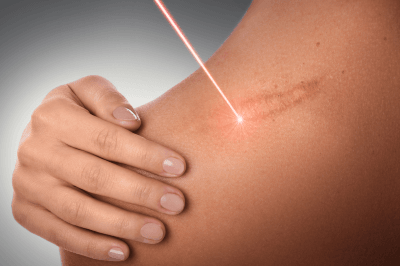
Treatment selection depends on scar type, location, skin characteristics and your goals. Multiple sessions may be required and outcomes vary between individuals. A consultation with a registered health professional is necessary to assess suitability, expected benefits, risks and alternatives before any treatment is provided.
Risks and Recovery
All procedures carry risk and are not suitable for everyone. You will receive personalised advice after a medical history and examination.
- Common temporary effects: redness, swelling, tenderness, mild bruising, temporary darkening or lightening of the skin, small scabs or dryness in treated areas.
- Less common risks: infection, prolonged inflammation, post inflammatory hyperpigmentation or hypopigmentation, persistent redness, texture change, recurrence or enlargement of keloid or hypertrophic scars, and scarring in rare cases.
- Recovery: most people resume usual activities shortly after minimally invasive options. Healing times vary with the type of treatment performed. Follow all aftercare instructions provided by your practitioner.
- Precautions: recent tanning, photosensitising medicines, active skin disease, pregnancy, certain medical conditions or a history of keloid formation may affect suitability or timing. Please disclose all medical conditions and medicines.
- Course and maintenance: several sessions may be recommended for optimal improvement. Results differ between individuals and cannot be guaranteed.
The information above is general and does not replace personalised medical advice. A face to face or telehealth consultation with an appropriately qualified and registered health professional is required before any treatment can be provided.