
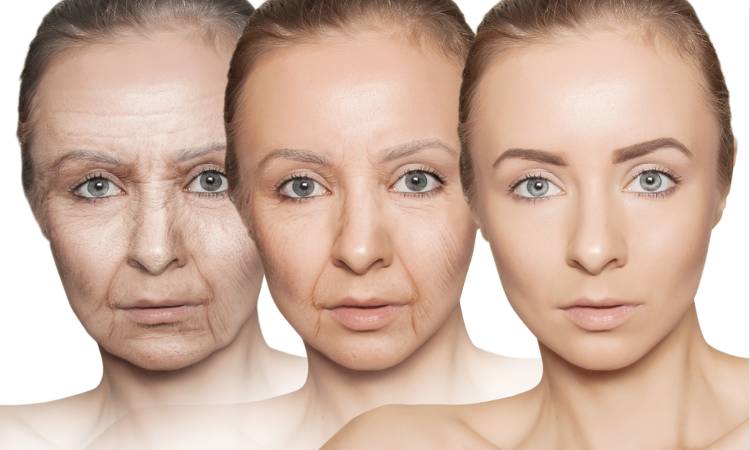
Ageing is one of those inevitable processes that every person experiences, and while it’s a completely natural part of life, many of us approach it with hesitation or even fear. As the years go by, visible changes begin to appear — fine lines and wrinkles, uneven pigmentation, blotchy brown spots, redness, and a noticeable loss of skin elasticity. These changes are influenced by a combination of genetic factors, environmental exposure, and lifestyle choices. Key contributors include DNA damage, long-term sun exposure, smoking, alcohol consumption, and the gradual slowdown of collagen production within the body.
Collagen, the most abundant protein in the human body, provides structure and strength to our skin, hair, nails, and connective tissues. As we age, our natural collagen production begins to decline because the body no longer needs as much for growth and repair as it once did. This reduction causes the skin to lose firmness and volume, leading to the common signs of ageing. It’s important to understand that ageing affects everyone differently — lifestyle, genetics, and skincare habits all play major roles — so the best approach to maintaining youthful, healthy skin will vary across different age groups.
IN OUR TEENS – EARLY 20s
During these years, prevention and protection are the most crucial steps you can take to support long-term skin health. Establishing a consistent skincare routine early on will help maintain hydration, prevent premature ageing, and preserve your skin’s natural glow. At this stage, the goal is to build healthy habits that protect your skin from future damage. A good daily regimen should include a gentle cleanser, moisturiser, and a high-quality sunscreen with SPF 30 or higher. Incorporating ingredients like Vitamin C is also beneficial — it’s a powerful antioxidant that stimulates collagen production, brightens the complexion, and helps defend against environmental stressors such as UV exposure and pollution.
UV radiation — the type of radiation we receive from the sun — is one of the main contributors to premature skin ageing. Excessive exposure to UV rays accelerates collagen and elastin breakdown, the two components that keep skin firm, plump, and resilient. This process, known as photoageing, can lead to the early formation of wrinkles, sagging, and pigmentation. Protecting your skin by applying sunscreen daily, wearing protective clothing, and avoiding tanning beds can dramatically slow down these effects.
AGES 25–30
By the mid to late 20s, the first real signs of ageing begin to appear. Around age 25, collagen and elastin production starts to decline, and the skin may show early indicators such as fine lines, dullness, or slight pigmentation irregularities. Dark spots, blotchy brown patches, and redness are common concerns during this stage. Fortunately, treatment options are highly effective and minimally invasive at this age. Professional skincare treatments like chemical peels help to exfoliate dead cells, brighten the complexion, and improve overall skin tone, while laser therapy can help fade pigmentation and promote a more even appearance. Microneedling is another excellent option for improving skin texture, reducing redness, and stimulating new collagen formation for smoother, firmer skin.
AGES 35, 45, 50 AND BEYOND
In your mid-30s and beyond, skincare continues to play a vital role in maintaining skin strength, elasticity, and hydration. While ageing cannot be stopped, modern treatments can significantly slow its visible effects. Procedures such as Dermapen microneedling remain a highly effective option, stimulating collagen and elastin to improve skin tone and texture. This treatment helps reduce fine lines, wrinkles, enlarged pores, and mild skin laxity. Chemical peels are another powerful tool for this age group — they help with cellular turnover, remove dead skin buildup, and reveal fresher, rejuvenated skin underneath.
As collagen loss becomes more noticeable, anti-wrinkle injections and dermal fillers can also be used to restore facial volume, soften expression lines, and enhance facial contours for a more youthful appearance. Incorporating active ingredients like retinol into your skincare routine is also key at this stage. Retinol works by increasing cell turnover, promoting collagen synthesis, and improving overall skin texture and firmness. Combined with a consistent skincare routine, professional treatments, and healthy lifestyle choices such as a balanced diet, good hydration, and avoiding smoking, you can help preserve your skin’s natural radiance and slow the signs of ageing gracefully.
“